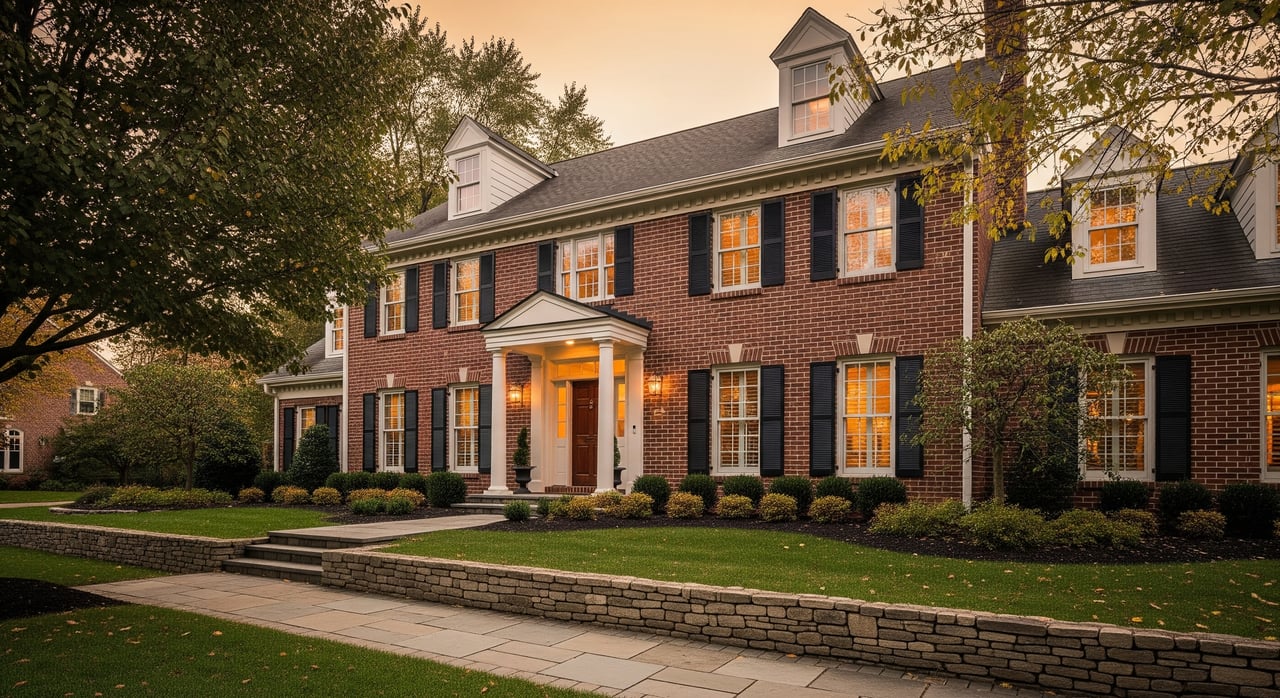
Contingent vs Pending in the Westerville MLS Explained
November 27, 2025
November 27, 2025
Seen a Westerville listing marked “contingent” or “pending” and wondered what it really means for your move? You are not alone. These labels affect showings, negotiations, and your odds of getting the home you want or closing the deal you have. In this guide, you will learn the plain-language differences, how local practice typically works, and what to do next as a buyer or seller. Let’s dive in.
Contingent means the seller accepted an offer, but one or more contract contingencies still need to be satisfied or waived before closing. Common examples include financing, inspection, appraisal, title review, or the buyer’s sale-of-home. While contingencies are open, the buyer typically keeps certain rights to cancel per the contract.
Pending means the parties cleared or waived the contingencies and now expect to close. The file moves into final processing, like title work and loan funding. A pending sale has a high likelihood of closing, and showings usually stop.
The key difference: contingent means the sale is still conditional; pending means contingencies are cleared and closing is expected.
MLS status names and rules can vary by region. In central Ohio, the local MLS sets the labels and timelines for when a listing moves from contingent to pending. Always confirm the exact status definitions and showing rules with the listing agent or the local MLS help desk.
In practice around Westerville, many sellers allow showings and accept backup offers while a listing is contingent. Once contingencies are removed in writing, listings typically move to pending and showings often stop. Details and timing depend on the contract and local MLS rules.
The buyer must obtain a loan commitment by a set date. If the lender cannot approve the loan within terms, the buyer may cancel per the contract and often recover earnest money. Local underwriting and appraisal clearance can take about 21 to 45 days, depending on the lender and the contract.
The buyer has time to inspect and negotiate repairs or credits. If the inspection reveals serious issues, the buyer can request repairs, renegotiate, or cancel within the contingency period.
The home’s value must support the agreed price. If it appraises low, the parties renegotiate, the buyer brings more cash, or the buyer may cancel based on the contract language.
Title work checks for liens, easements, and other issues that must be cleared before closing. If title defects arise, they need to be resolved to move forward.
The buyer needs to sell an existing property before buying. This adds timing risk, so sellers often use firm deadlines or a kick-out clause. It is common to keep marketing and accept backups in this scenario.
Condo or HOA purchases often include a document review period. Federal disclosures, such as for lead-based paint on homes built before 1978, may also affect timelines and buyer rights.
Earnest money is deposited in escrow and follows the purchase agreement. If a buyer cancels within a valid contingency, the earnest money may be refundable per the contract.
Financing scenario
Inspection scenario
Sale-of-home scenario
Actual timing in Westerville depends on the lender, title company scheduling, local recording timelines, and your specific contract.
A kick-out clause lets a seller accept another offer and require the first buyer to remove a contingency within a set time or be replaced. Backup offers are signed contracts that move into first position if the current deal fails. Your agent can help you weigh the pros and cons based on remaining contingencies and deadlines.
MLS labels and rules can change. In Franklin County, confirm the exact meaning of “contingent” and “pending,” whether showings are allowed, and when status must change with the listing agent or the local MLS help desk. For title and recording timelines, your title company or county offices can provide current guidance.
Ready to talk strategy for your Westerville move or sale? If you want a data-informed plan and concierge guidance from offer to closing, connect with Angel Perez for local insight and premium presentation. Get a free home valuation to start planning your next step.
Stay up to date on the latest real estate trends.


Etiam non quam lacus suspendisse faucibus interdum. Orci ac auctor augue mauris augue neque. Bibendum at varius vel pharetra. Viverra orci sagittis eu volutpat.
Get in Touch With Us to Learn More

8800 Lyra Drive Suite 600 Columbus, Ohio 43240