Is Low-Maintenance Living In Blacklick Right For You?
April 9, 2026
April 9, 2026
If the idea of spending less time on exterior upkeep and more time enjoying your day sounds appealing, low-maintenance living in Blacklick may be worth a closer look. For many buyers, the draw is simple: fewer chores, more predictable responsibilities, and a home that can be easier to lock up and leave when life gets busy. In this guide, you’ll learn what low-maintenance living usually means in Blacklick, what costs and tradeoffs to expect, and how to decide if this lifestyle fits your goals. Let’s dive in.
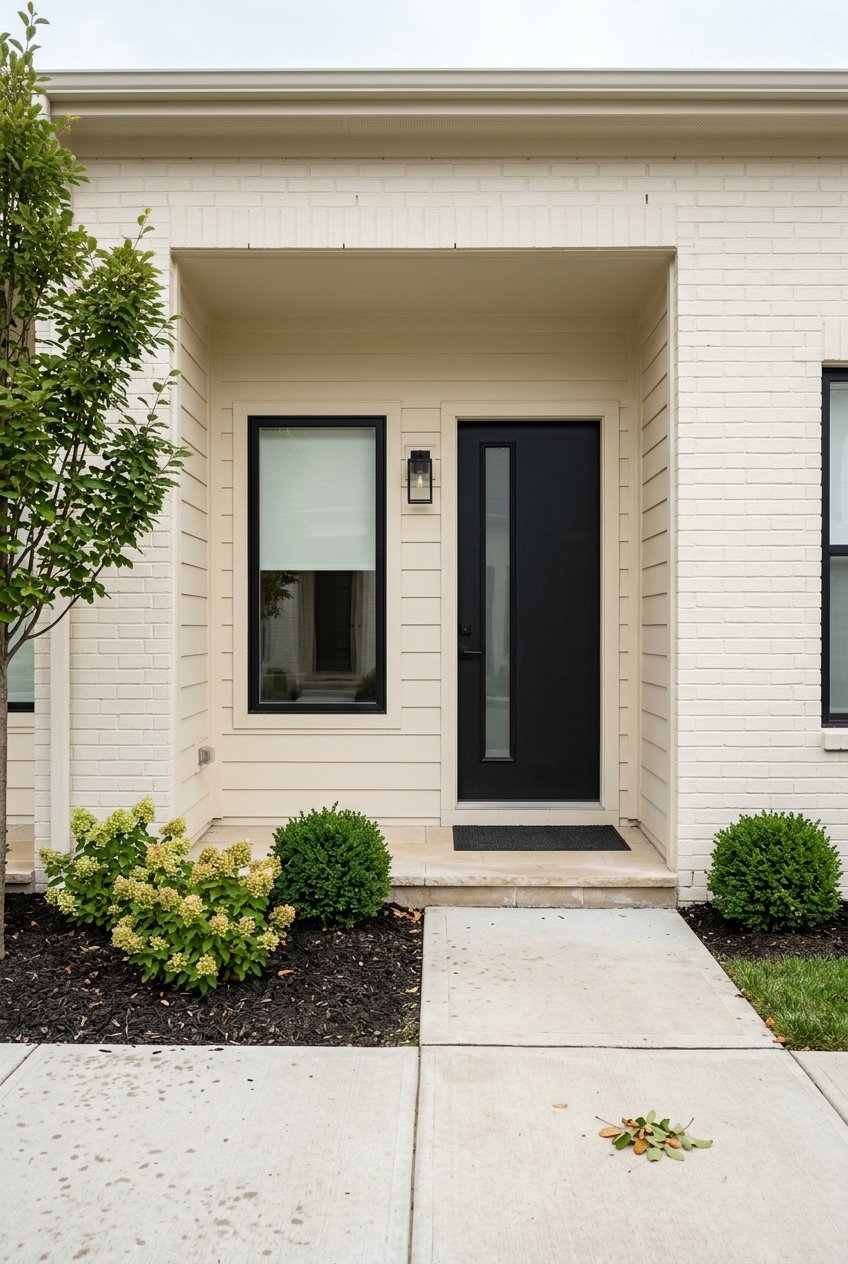
In Blacklick, low-maintenance living often shows up in condos, townhomes, and some HOA-managed planned communities. While these homes can reduce the amount of exterior work you handle yourself, they do not all work the same way.
According to Fannie Mae’s townhome overview, townhomes are usually multi-floor homes that share one or two walls with another property, have a private entrance, and often include a patio or deck. They may also be part of an HOA, with some exterior maintenance handled at the community level.
Condos use a different ownership structure. As explained in Fannie Mae’s condo guide, you typically own the interior unit, while common areas and exterior elements are shared. Condo fees often help cover exterior maintenance, common-area repairs, and sometimes services like water, sewer, trash, insurance, and reserve funding.
Some planned communities also offer a lower-maintenance setup, even with single-family homes. Under Ohio planned community law, the owners association is generally responsible for common elements, while each owner is responsible for the lot and dwelling unit. That means the level of maintenance relief can vary a lot from one community to another.
For many buyers, the appeal is convenience. If you want a home that supports a busy work schedule, frequent travel, or a simpler day-to-day routine, having shared upkeep can feel like a major benefit.
This lifestyle can also make it easier to enjoy local recreation without feeling tied to a long weekend to-do list. Blacklick is close to Blacklick Woods Metro Park, which offers 652 acres, trails, and a canopy walk, and the nearby Blacklick Creek Greenway Trail provides a 16-mile paved route connecting several park destinations.
Blacklick also sits within the broader Franklin County market, where the U.S. Census Bureau reports a July 1, 2024 population estimate of 1,356,303. In a large and active housing market like this, some buyers prioritize ease of ownership and predictable routines over having a large yard or full exterior control.
Low-maintenance living tends to work well if you value convenience over customization. It may be a strong fit if you want less responsibility for shared spaces or exterior upkeep and are comfortable with community rules.
This style often appeals to:
Based on how HOA and condo structures are designed, the tradeoff is usually less autonomy in exchange for shared services and more predictable responsibilities. That can be a smart choice for the right buyer, but it is not ideal for everyone.
One of the biggest questions buyers ask is what the monthly dues actually include. The answer depends on the community, so it is important to review the details carefully before you buy.
The Consumer Financial Protection Bureau notes that HOA or condo dues are usually paid directly to the association instead of being included in your mortgage payment. Those dues can range from a few hundred dollars per month to more than $1,000 per month.
Per Fannie Mae’s HOA guidance, dues may help pay for:
Ohio condominium law also allows common expenses to include items like roads, entrances, rubbish removal, recreation facilities, and certain administrative costs. That is why two communities with similar-looking homes can have very different monthly dues and very different value built into those dues.
A low-maintenance property can reduce some hands-on chores, but it does not automatically reduce your total housing cost. You will want to look at the full monthly picture, not just the loan payment.
The CFPB recommends thinking about your total monthly home cost as a combination of principal and interest, property taxes, insurance, maintenance, and any HOA or condo fees. If you focus only on the mortgage, you can underestimate what the home really costs to own each month.
A simple way to compare options is to look at them side by side:
| Cost Category | Detached Home | Low-Maintenance Home |
|---|---|---|
| Mortgage payment | Usually applies | Usually applies |
| Property taxes | Usually applies | Usually applies |
| Homeowners insurance | Usually applies | Usually applies, but coverage may differ |
| Exterior maintenance | Often paid directly by owner | May be partly covered by dues |
| HOA or condo dues | Sometimes none | Often ongoing |
| Yard care and common areas | Often owner-managed | May be shared or association-managed |
The right fit often comes down to whether you prefer paying for maintenance in a more direct, do-it-yourself way or through shared monthly dues.
If you are considering a condo or HOA community in Blacklick, one of the smartest things you can do is review the association’s financial health. This is where low-maintenance living can either feel well-managed or become more complicated.
Fannie Mae advises buyers to review HOA financial statements and reserve accounts before buying. Reserve funds are the money set aside for expected future repairs and major projects.
If reserves are not strong enough, an association may need to charge a special assessment for unexpected repairs or major capital improvements. That does not mean a community is automatically a bad choice, but it does mean you should understand the risk before moving forward.
Insurance is another area where low-maintenance homes can work differently than detached homes. Many buyers assume the association covers everything, but that is not usually the case.
The CFPB explains that condo association fees may include master insurance for common areas. Even so, you may still need your own policy for the interior of your unit and your personal belongings.
That makes it important to ask where the association’s coverage stops and where your responsibility begins. A clear answer can help you avoid coverage gaps and budget more accurately.
Low-maintenance living can be a great match if you want convenience, shared upkeep, and fewer exterior responsibilities. Still, the tradeoffs matter just as much as the benefits.
You may have less control over exterior changes, landscaping choices, or certain design updates. Shared-wall living may also feel different if privacy is one of your top priorities.
In other words, this lifestyle often works best when you value simplicity, routine, and ease of ownership more than full property control. If that sounds like you, Blacklick may offer options worth exploring.
If you are weighing low-maintenance living in Blacklick, start with your daily life. Think about how much time you want to spend on upkeep, how often you travel, and whether you want a home that is easier to manage year-round.
Then look closely at each community, not just each property. Review what the dues cover, ask about reserve funds, confirm insurance responsibilities, and understand any rules tied to exterior changes or common areas.
A well-chosen low-maintenance home can support a more flexible lifestyle and help you spend more time enjoying what matters to you, whether that means local trails, weekends away, or simply fewer chores at home. If you want guidance comparing Blacklick options and understanding the fine print, Angel Perez can help you evaluate the details and find the right fit for your goals.
Stay up to date on the latest real estate trends.
Etiam non quam lacus suspendisse faucibus interdum. Orci ac auctor augue mauris augue neque. Bibendum at varius vel pharetra. Viverra orci sagittis eu volutpat.
Get in Touch With Us to Learn More
8800 Lyra Drive Suite 600 Columbus, Ohio 43240