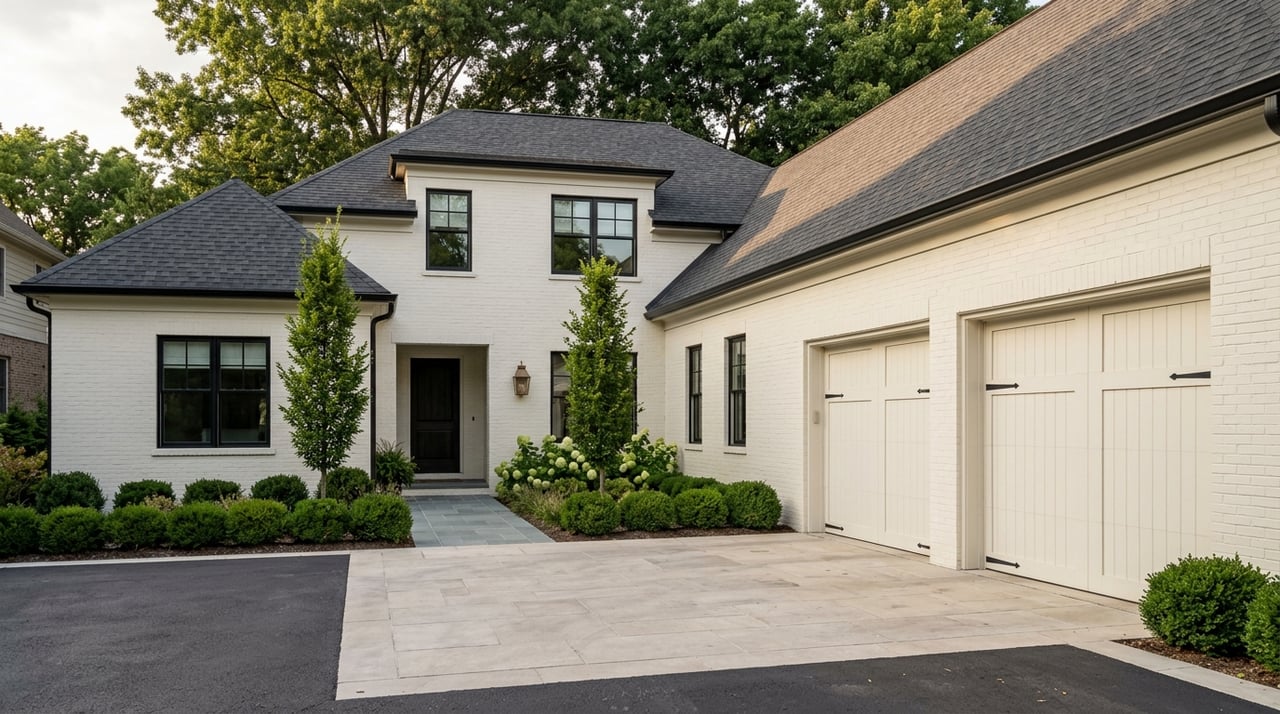
Commuting From Upper Arlington To OSU And Downtown
July 16, 2026
July 16, 2026
Wondering whether Upper Arlington can give you an easier commute without giving up the daily convenience you want? If you need regular access to The Ohio State University or downtown Columbus, this suburb stands out for one simple reason: it is unusually close to both. You can enjoy a more residential feel while staying connected to major work, campus, and city destinations. Let’s dive in.
Upper Arlington’s location is the big story. The city describes itself as centrally located in the Columbus metro area, a direct neighbor to Ohio State, and about a 10-minute drive to downtown Columbus. It also highlights easy access to SR 315 and I-270.
For you, that usually means the commute feels more like a short in-city trip than a long suburban drive. That is especially appealing if you want a home base that feels settled and residential without putting downtown or campus out of reach.
If you commute to OSU, proximity matters as much as route choice. Because Upper Arlington directly borders the university area, many trips are short in distance even if timing can shift based on traffic and your exact starting point.
In practical terms, many drivers head eastbound or southeastbound toward Lane Avenue and campus-adjacent streets. The best route often depends less on mileage and more on what time you leave and which local corridor is moving best that day.
Within Upper Arlington, eastern and central addresses will generally give you the fastest access to campus. Areas near Lane Avenue, Northwest Boulevard, Tremont Road, and the Olentangy or Riverside corridor tend to sit closer to the most direct connectors.
If you are looking farther west in Upper Arlington, you can still reach OSU fairly easily. You may just add a bit more local-road driving before connecting to the main eastbound routes.
Your OSU commute is usually shaped by timing more than distance. Since many trips rely on local arterials instead of a single freeway-only path, rush-hour patterns can have a bigger impact than the map alone might suggest.
That is good to keep in mind if you are comparing homes within different parts of Upper Arlington. Two properties in the same city can offer a slightly different commute rhythm depending on how quickly you can reach Lane Avenue or other campus-adjacent roads.
Downtown is also close by, which is one of Upper Arlington’s strongest advantages for professionals who want a manageable daily drive. The city notes that downtown Columbus is about 10 minutes away, making it a realistic option for people who need regular access to offices, meetings, or events in the city center.
For many drivers, the most common paths involve Northwest Boulevard, Tremont Road, Fishinger Road, and connections to SR 315. These are the corridors that shape a lot of movement between Upper Arlington and downtown.
If your destination is downtown Columbus, your route will often depend on where you live within Upper Arlington. In general, these roads are key:
These corridors matter because they help you move from neighborhood streets onto more direct paths toward the city center. If quick downtown access is high on your list, it helps to look closely at how a home connects to these roads.
If you would rather not drive every day, Upper Arlington does offer public transit access through COTA. The city highlights three routes that serve the area: Route 3, Route 32, and Route 75.
That gives you flexibility, especially if you want a backup plan for commuting, parking, or weather days. It also adds value for households where not every trip needs to happen by car.
Here is a simple look at the city-highlighted routes:
| Route | Service Pattern | General Connection |
|---|---|---|
| Route 3 | Standard service, departures about every 16 to 60 minutes | Connects Upper Arlington to downtown via Northwest Boulevard |
| Route 32 | East-west service | Runs along Fishinger Road and E. North Broadway |
| Route 75 | Rush-hour service | Links downtown and Northwest Columbus via Tremont and Fishinger Roads |
For downtown commuters, Route 3 and Route 75 are especially relevant. They line up with some of the same corridors many drivers use, which can make them practical alternatives when parking downtown is not your first choice.
Griggs Dam Park and Ride appears on both Route 3 and Route 75. That gives you a park-and-ride option if you want to leave your car outside the downtown core and finish the trip by bus.
For some commuters, that can make the day feel simpler. You avoid part of the parking challenge while still keeping a flexible start from home.
Transit access to OSU is possible, but it is usually not as direct as a downtown bus trip. Right now, the most practical pattern is often a two-step commute.
You would typically use an Upper Arlington route to reach downtown or a campus-adjacent area, then connect to service that reaches campus. COTA lists campus-serving lines 1 through 12, plus 102 and CMAX, and Ohio State’s CABS system provides free bus service on and around the Columbus campus.
It can be usable, but it is not the same as having a dedicated direct route from Upper Arlington into campus today. If you plan to commute to OSU by bus most days, it is smart to think about how close a home is to current COTA service and how comfortable you are making a connection.
That said, the existing network still gives you an alternative to driving. For some buyers, that extra layer of flexibility is an important part of the decision.
There is also a future transit project that could be especially meaningful for this commute. COTA’s planned Line 30 is scheduled to launch in fall 2026, with September 2026 listed as the expected launch.
According to the official overview, Line 30 is designed to connect Ohio State, Upper Arlington, Hilliard, and Dublin. The proposed route would run from the John Herrick Transit Center along Cannon Drive, Woody Hayes Drive, Carmack Road, and West Lane Avenue, then continue on Tremont Road through Upper Arlington.
The UA segment is planned to serve several notable destinations, including:
Because this route is still described as scheduled and proposed, it should be treated as a future improvement rather than a current commuting option. Still, if you are planning ahead, it is a useful development to keep on your radar.
A short commute is only part of the story. What makes Upper Arlington especially compelling is how that access fits into everyday life once you are home.
The city points to a park system with 23 parkettes covering about 186 acres. It also highlights trails, outdoor pools, tennis, and community events like concerts and movies in the parks. If you want your routine to include more than just getting to and from work, that kind of built-in convenience matters.
Two of the city’s strongest convenience corridors are Kingsdale and Lane Avenue. The city describes Kingsdale as a centrally located district with medical, office, and retail options, while Lane Avenue is presented as a prominent entry corridor with restaurants, retail, housing, and services.
That means your commute can pair well with everyday errands and activities. Instead of driving far for basics, you may be able to keep many parts of daily life close to home.
The Bob Crane Community Center is another major part of that picture. Near Kingsdale, it includes an indoor pool, fitness and exercise spaces, meeting rooms, a café, an event center, a walking and running track, and classroom space.
For buyers thinking beyond commute time alone, this kind of amenity can shape how a neighborhood feels on a regular Tuesday, not just on weekends. It adds another layer of convenience to the Upper Arlington lifestyle.
Upper Arlington also supports the kind of routine many buyers want when they are not working. The weekly UA Farmers Market on Dorset Road by Tremont Center runs from May through October, adding another local amenity to the community calendar.
When you combine that with parks, trails, and concentrated shopping and dining corridors, the appeal becomes clear. You are not just buying a commute. You are buying a place where the commute fits into a fuller daily rhythm.
If access to OSU or downtown is one of your top priorities, Upper Arlington deserves a close look. The key is not just choosing the right city, but choosing the right part of the city for your routine.
As you compare homes, pay attention to how quickly you can reach Lane Avenue, Northwest Boulevard, Tremont Road, Fishinger Road, or SR 315 connections. Those details can make a meaningful difference in how your day feels, even when two homes are only a few miles apart.
If you are relocating or moving within Central Ohio, it also helps to weigh commute convenience against the lifestyle pieces that matter most to you. In Upper Arlington, the value often comes from getting both: strong access to OSU and downtown, plus a more residential setting with parks, community amenities, and established retail corridors.
If you want help narrowing down the best Upper Arlington locations for your commute and lifestyle goals, connect with Angel Perez for a tailored, neighborhood-focused approach.
Stay up to date on the latest real estate trends.
Etiam non quam lacus suspendisse faucibus interdum. Orci ac auctor augue mauris augue neque. Bibendum at varius vel pharetra. Viverra orci sagittis eu volutpat.
Get in Touch With Us to Learn More
8800 Lyra Drive Suite 600 Columbus, Ohio 43240