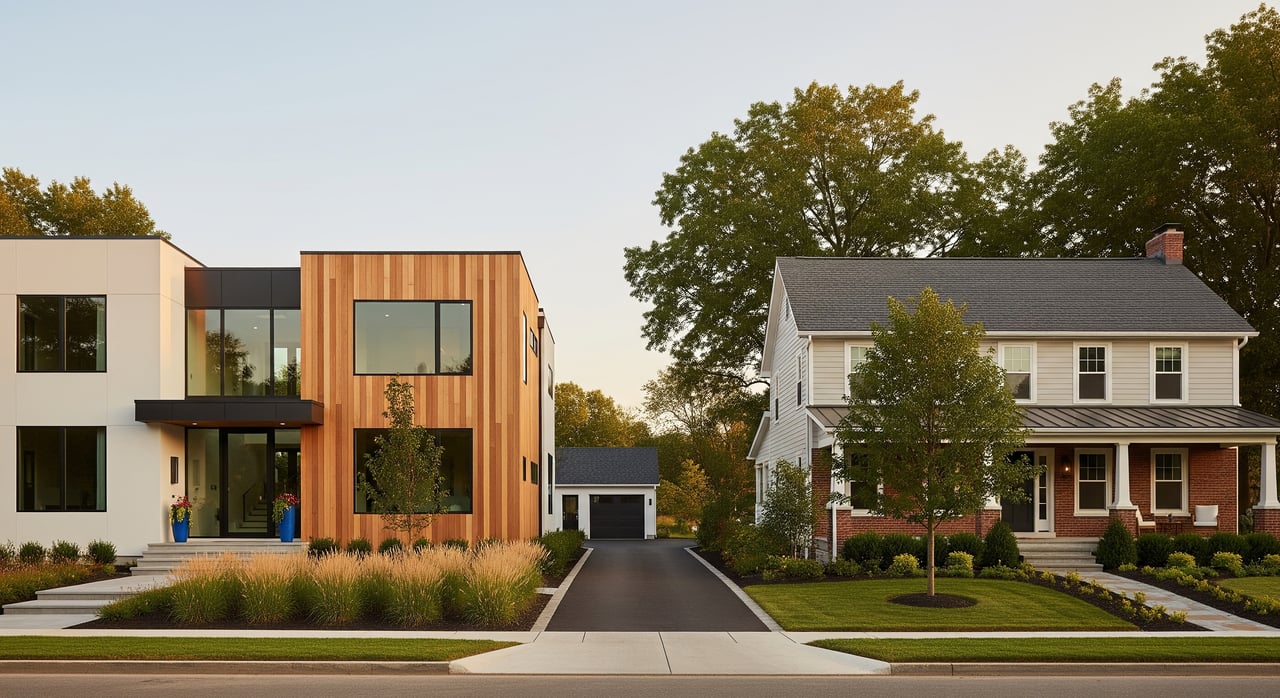
New Construction vs Resale Homes in Plain City: Which Is Right for You?
December 11, 2025
December 11, 2025
Thinking about a new-construction home or a resale in Plain City? You are not alone. With Plain City’s small-village feel and Columbus-area access, buyers often weigh customization, timing, and cost. In this guide, you will learn how new builds and resales compare on price, timelines, inspections, warranties, schools, taxes, and utilities specific to the Plain City area. Let’s dive in.
Plain City sits within the Columbus metro and spans parts of Union and Madison counties. That means your parcel’s county, school district, and utility provider can change across streets. New subdivisions commonly appear along village edges, and this can affect taxes and services. For timelines and approved developments, check the Village’s planning and building resources on the Village of Plain City website.
Market activity and pricing in Plain City track broader Central Ohio trends. For current inventory, days on market, and comparable sales, review data through the local MLS and Columbus REALTORS.
You can choose floor plans, finishes, and certain layout options. Open-concept living, larger kitchens, and modern storage solutions are common in today’s builds. Upgrades add cost, so set an allowance and prioritize what matters most.
New homes come with new systems, which reduces near-term maintenance. Many builders provide a one-year workmanship warranty and a longer structural warranty. Terms vary, so get everything in writing and understand how to file claims. For broader context on new-home construction standards and buyer protections, see resources from the National Association of Home Builders.
Modern insulation, windows, HVAC, and smart-home wiring can lower operating costs. Some builders pursue efficiency certifications. Renovated resales can catch up here, but upgrades may be staged over time.
From contract to keys, new builds often take 4 to 9 months or longer. Weather, material lead times, and permitting can stretch timelines. Build in a plan for delays, especially if you need to sell your current home first.
Resales can offer a lower entry price for similar square footage, especially if systems are older or finishes are dated. Well-located homes with thoughtful updates can hold value similar to new construction.
Closings on resales typically land in 30 to 45 days if financing and appraisal stay on track. You can negotiate possession or rent-backs to match your move.
Resale lots often have mature landscaping and settled drainage patterns. You can also inherit improvements like patios or fencing. Always evaluate condition and any legacy issues.
You can tailor a resale with renovations and sometimes spend less than builder upgrade packages. Compare your “buy and improve” budget to new-build option costs.
You can use conventional, FHA, or VA financing for both new and resale homes. For homes built from the ground up, some buyers use construction-to-permanent loans that convert to a standard mortgage when the home is complete. For FHA guidance and new construction standards, visit HUD.
New construction financing involves draws and inspections, and appraisals are based on the completed home. Expect different documentation and turnaround times than a typical resale purchase.
Many builders offer incentives like closing-cost credits, rate buydowns, appliance packages, or design upgrades. Compare the net benefit against your long-term interest rate and total monthly payment.
New builds may be reassessed after completion, which can change your annual taxes. To learn how Ohio property taxes work and find county auditor links, start with the Ohio Department of Taxation. New subdivisions often include HOA dues. Also budget for permit, tap-in, and potential impact fees, which can appear on new construction purchases. Your purchase agreement should spell these out; verify details with your builder and the Village.
Schedule independent inspections at key stages like pre-drywall and at final walkthrough. Even with a builder warranty, you want an objective review of structure, mechanicals, and safety. Confirm your right to a punch-list process before closing.
Order a full home inspection and follow up with specialist inspections if needed. Weigh likely repairs and updates against your offer price. Home warranty policies can cover certain systems, but they are not the same as a builder’s structural coverage.
School district assignment in the Plain City area varies by parcel. The Jonathan Alder Local School District commonly serves parts of the village, but other districts may apply depending on the address. Always verify with the Ohio Department of Education. Use county auditor records for the specific parcel to confirm boundaries and historical tax data.
Plain City utilities can differ across subdivisions and adjacent townships. Some rural parcels use well and septic, while village sites may connect to municipal water and sewer. Capacity, tap-in, and impact fees can affect new-build timelines and costs. For current policies and approvals, consult the Village’s planning and building contacts on the Village of Plain City website.
If you want a tailored layout, lower early maintenance, and the latest systems, a new build could be the right fit as long as your timeline is flexible and you account for fees and HOA costs. If you need certainty on timing, prefer mature neighborhoods, or want to put your stamp on a home through renovations, a resale may deliver better value.
When you want a Plain City advisor to compare specific neighborhoods, subdivisions, and costs, reach out to a local expert. With builder relationships and deep Columbus-area market insight, Angel Perez can help you weigh new construction against the best resale options, line up financing, and time your sale or purchase with confidence.
Stay up to date on the latest real estate trends.
Etiam non quam lacus suspendisse faucibus interdum. Orci ac auctor augue mauris augue neque. Bibendum at varius vel pharetra. Viverra orci sagittis eu volutpat.
Get in Touch With Us to Learn More

8800 Lyra Drive Suite 600 Columbus, Ohio 43240