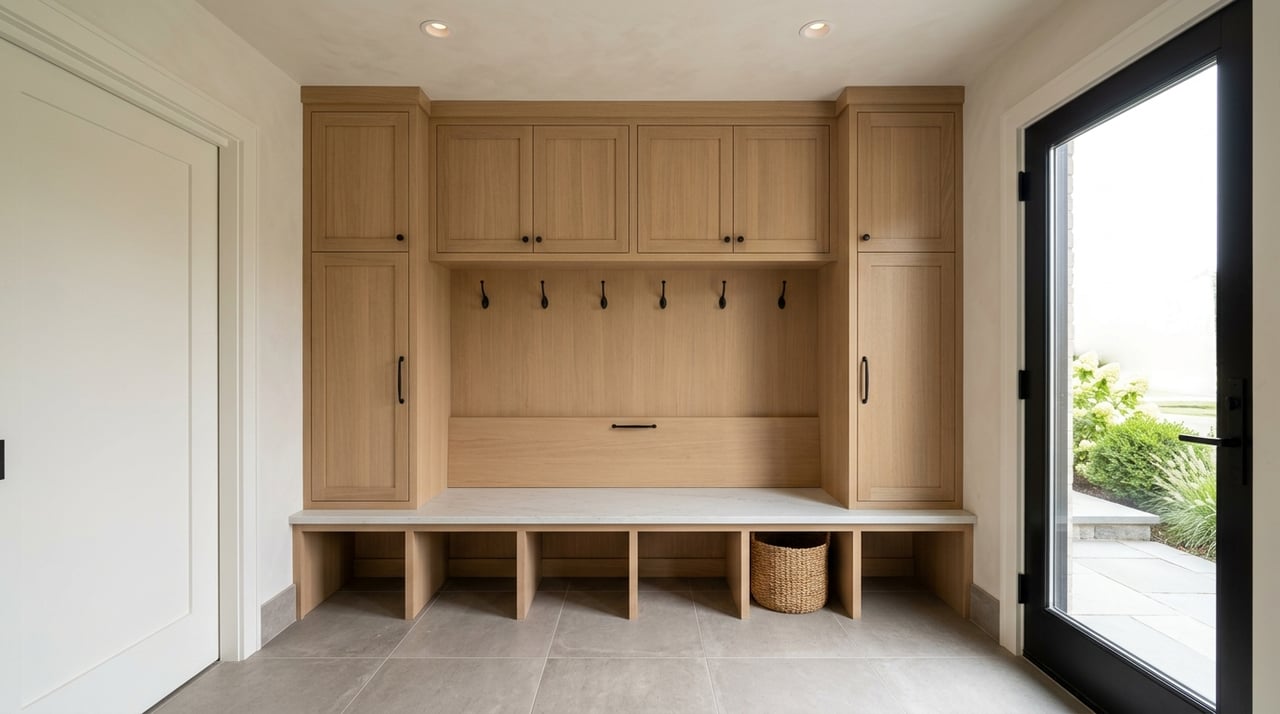
Buyer Checklist for Hilliard Ohio New Construction Homes
April 23, 2026
April 23, 2026
Thinking about buying a brand-new home in Hilliard? New construction can be exciting, but it also comes with moving parts that many buyers do not see until they are deep into the process. If you want to compare builders wisely, understand your contract, and avoid surprises around timing, upgrades, and inspections, this checklist will help you move forward with more confidence. Let’s dive in.
Before you fall in love with a floor plan, it helps to understand how new construction works in Hilliard. According to the City of Hilliard, permits must be in place before construction begins, and plan review happens before the work starts. The city also notes that plot-plan review for new single-family homes is handled under the building permit, while separate engineering permits may be needed for items like sewer and water laterals, driveways, approaches, and sidewalks. You can review those local requirements through the city’s Building Standards Division.
That matters because your timeline may depend on more than just the builder’s schedule. Hilliard also states that contractors must be registered with the Building Department, and most plan and zoning reviews take about two weeks. In real life, that is a good reminder to build in time for approvals rather than assuming every step will move instantly.
It is easy to focus on a lot, model home, or design package first. A better move is to evaluate the builder before you commit to any specific property.
The NAHB consumer checklist recommends confirming how long the builder has been in business, whether the company has a permanent location, whether it carries adequate insurance, whether you can talk with prior customers, and whether you can see both completed homes and homes under construction. NAHB also recommends getting a complete written contract, plus the home warranty and homeowner manual.
If you want a local starting point, the Building Industry Association of Central Ohio offers a builder directory. That can be especially useful if you are comparing several communities in and around Hilliard and want to narrow the field.
Use this short list before you move forward:
That last question matters in Hilliard because some items tied to the property itself may still need city review or engineering permits.
In Ohio, the details in your construction contract matter more than many buyers realize. Under Ohio law, a written home-construction-services contract is required for projects over $25,000.
The contract must include key information such as:
This is one reason you should slow down before signing. If a promise matters to you, such as a finish level, appliance package, or timeline expectation, it should be reflected in writing.
One of the most important budget checkpoints is the upfront payment. Ohio law caps the pre-performance down payment at 10% of the contract price, although special-order items that are not returnable or usable can require up to 75% of the special-order item cost before work begins. That makes it especially important to understand what part of your deposit is tied to standard construction and what part is tied to custom selections.
A builder’s total number does not always tell you enough. Ask for a breakdown of the base price, lot premium, structural options, design-center selections, and any exterior items that could trigger later city permits or added site work.
That kind of clarity can help you compare communities more accurately and avoid confusion later if costs change. Ohio law also says that if reasonably unforeseen but necessary excess costs push the project more than $5,000 above the contract, the supplier must provide an estimate before doing that extra work, unless the contract is structured in a way the statute allows.
Model homes are designed to impress you. The challenge is that what you see in the model may not reflect the base home price.
As Realtor.com’s new-construction guide explains, standard features vary by builder, and buyers should compare the model home against the standard-features sheet and upgrade list. That simple step can protect you from budgeting based on finishes that are not actually included.
Before you commit, ask for:
This is where many budgets stretch faster than expected. A polished kitchen, upgraded flooring, or expanded outdoor features can add up quickly if you do not separate wants from must-haves early.
A new home is still a major construction project, not a guarantee against issues. That is why warranties and inspections deserve close attention.
The Ohio Attorney General recommends getting manufacturer warranties in writing for items such as windows, siding, roofing materials, and heating and cooling equipment. The AG also advises buyers to make sure any guarantee, warranty, or oral promise is written into the contract and to clarify who is responsible for permits and inspections. You can review that guidance on the Ohio Attorney General’s consumer page.
The Consumer Financial Protection Bureau also recommends scheduling an independent home inspection as soon as possible, attending if you can, and not buying without a thorough inspection. If your contract includes an inspection contingency, that may give you room to renegotiate or cancel based on the results.
If a problem shows up after closing, timing and process matter. Ohio’s Residential Contractor Right to Cure law requires an owner to give the contractor 60 days’ written notice of alleged construction defects before filing suit or arbitration.
After that notice, the contractor has 21 days to respond with an inspection, settlement offer, or dispute. If the contractor does not respond or does not fix the issue on the promised timetable, the owner may be able to move forward. You hope you never need this step, but it is smart to know the process before you buy.
One of the biggest mistakes in new construction is treating the completion date as fixed. In practice, your home may be affected by permitting, inspections, site work, material timing, or other scheduling variables.
Because Hilliard’s review process and construction sequencing can affect timing, the safer approach is to build in buffer time around a lease end, a current home sale, or a planned move. Ask the builder to confirm the current projected completion range in writing, then compare that range to your deadlines.
If your move is tied to a school-year transition, it helps to verify district logistics early. Hilliard City Schools uses attendance areas, offers an online map search, and does not allow open enrollment from another district. The district also states that a parent waiting for a newly built home or closing may enroll tuition-free for up to 90 calendar days with a tuition agreement and a 30-day tuition check. You can review those details on the district’s attendance areas page.
Builder sales teams are important sources of information, but you should still understand who represents whom. Ohio law now requires a written agency agreement before a licensee can market or show a seller’s residential property or make an offer on a buyer’s behalf, among other activities.
That agreement must include an expiration date, compensation terms, and a clear statement that broker fees and commissions are not set by law and are fully negotiable. Ohio law also recognizes seller, purchaser, dual-agency, and subagency relationships, which is why it makes sense to clarify representation early rather than after a contract is already underway.
Before you sign on a Hilliard new-build, make sure you can answer yes to these questions:
New construction can be a great fit if you want modern finishes, a fresh floor plan, and a home tailored to your needs. The key is staying organized and asking the right questions early. If you want a local guide who understands builder relationships, contracts, and timing in the Columbus-area suburbs, connect with Angel Perez for expert support.
Stay up to date on the latest real estate trends.


Etiam non quam lacus suspendisse faucibus interdum. Orci ac auctor augue mauris augue neque. Bibendum at varius vel pharetra. Viverra orci sagittis eu volutpat.
Get in Touch With Us to Learn More

8800 Lyra Drive Suite 600 Columbus, Ohio 43240