Historic Westerville Vs Newer Subdivisions Compared
June 25, 2026
June 25, 2026
Choosing between historic Westerville and a newer subdivision is really a choice about how you want to live day to day. You may love the idea of charm, walkability, and older architecture, or you may prefer a more predictable layout, easier upkeep, and a suburban feel. In Westerville, both options exist, and each offers real advantages depending on your priorities. Let’s dive in.
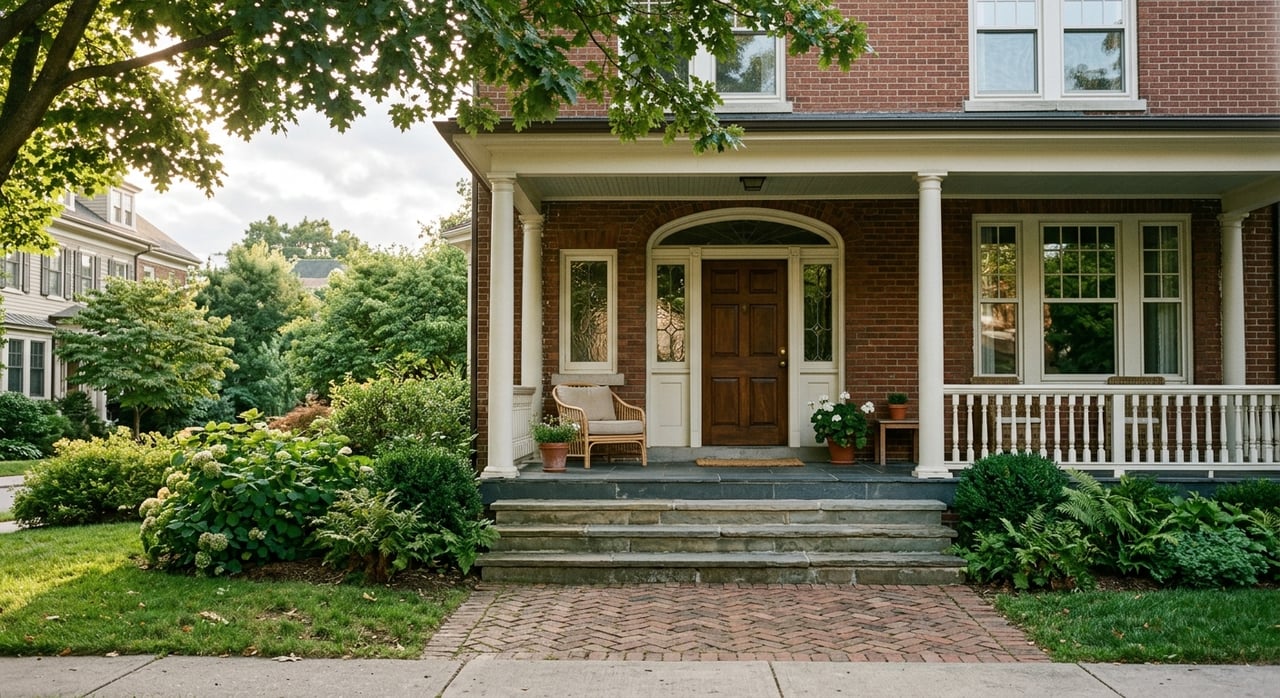
In this comparison, historic Westerville is best understood as Uptown Westerville. The City of Westerville describes Uptown as the historic shopping district and notes that it was the center of town when Westerville was founded in 1858. Homes in this area can date back to the 19th century, which gives the neighborhood a very different feel from later-built communities.
Uptown’s physical character reflects that history. City materials describe a traditional 19th- and early 20th-century streetscape with brick buildings, one- to three-story structures, storefront-level activity, and upper facades above. The original street pattern also reaches back to the 1800s, with brick streets and alleys helping shape the older lot and block layout.
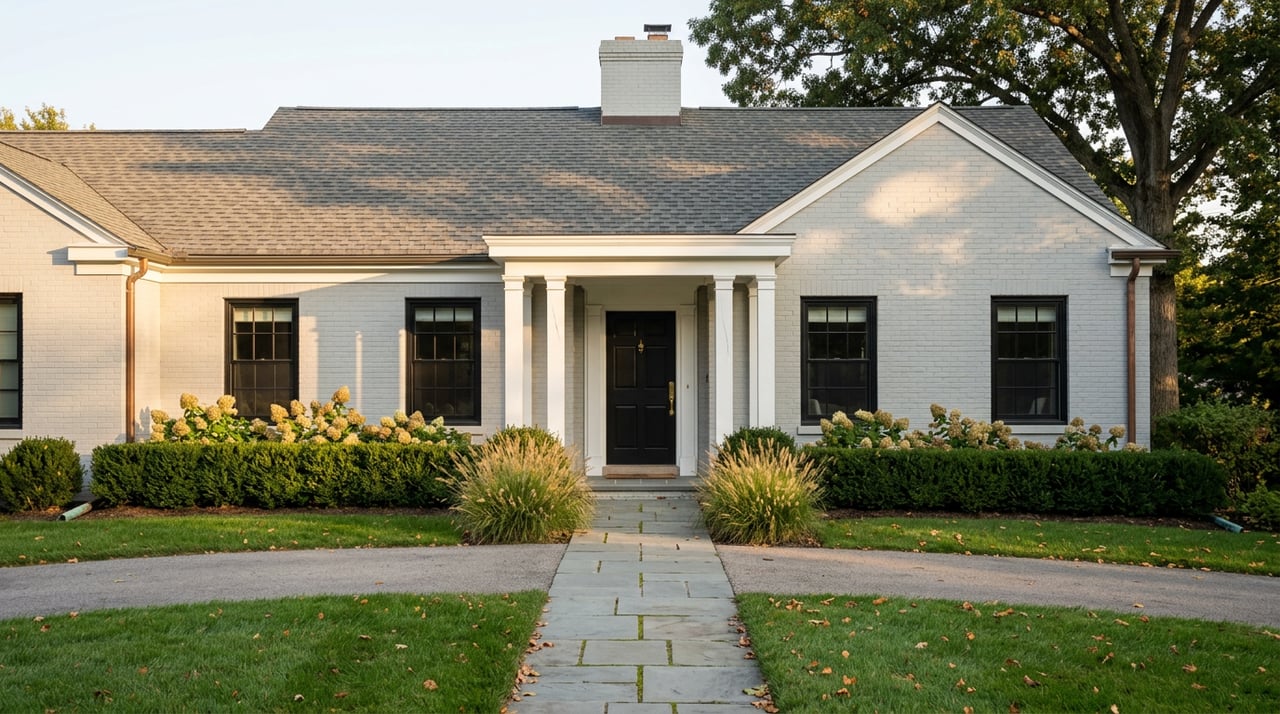
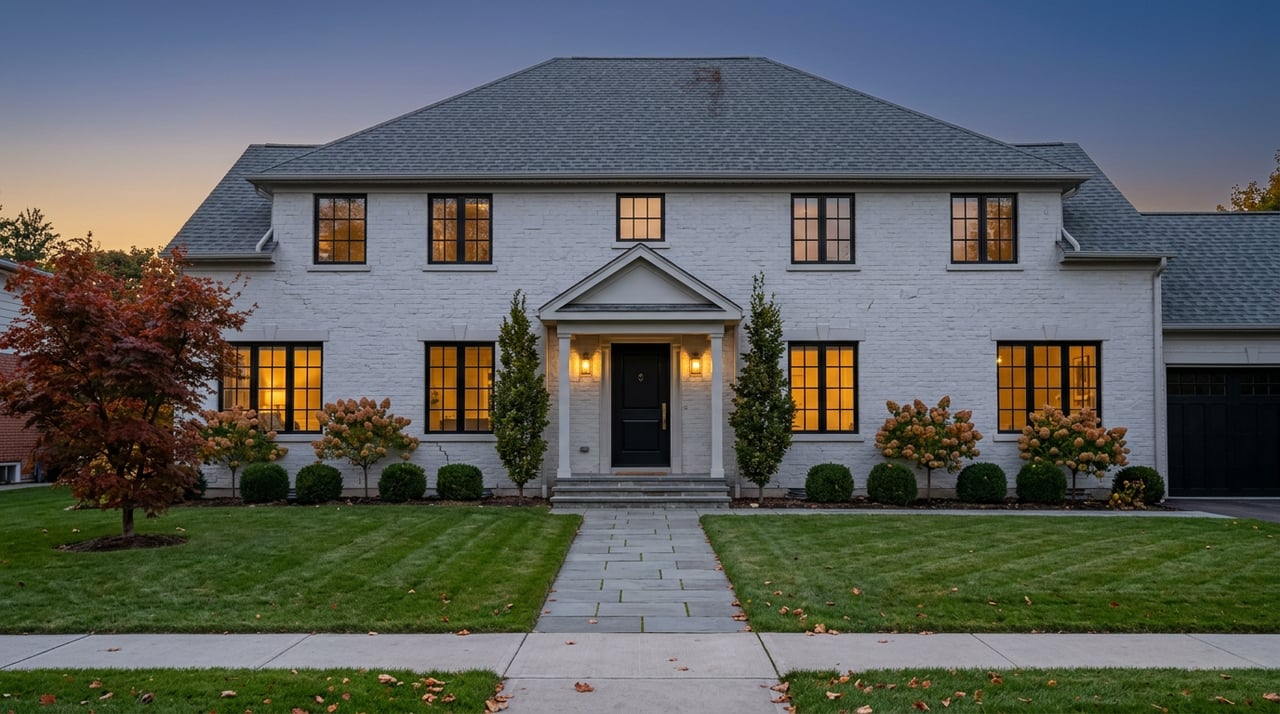
Newer Westerville neighborhoods developed in a more suburban pattern. City planning documents describe Westerville as having a historic urban core followed by later suburban development, with examples from the 1970s and 1980s such as Twelve Trees and Annehurst.
These areas tend to reflect a more conventional suburban layout. You are more likely to see streets designed around car travel, single-family homes, and a neighborhood pattern that feels more spread out than Uptown. The city also notes that Westerville offers a mix of old and new homes, small lots and big lots, and settings that range from more rural-feeling to more city-oriented.
For many buyers, this is the biggest trade-off. Historic Westerville often stands out for character, location, and walkability, while newer subdivisions often appeal for lower-maintenance ownership and a more standardized layout.
That does not mean one is better than the other. It means your best choice depends on whether you value original architecture and a lively town-center feel, or whether you want a home that may require fewer updates and fit a more familiar suburban routine.
If being able to enjoy local destinations on foot matters to you, Uptown has a strong advantage. The city describes the area as a traditional street-grid environment, and recent city updates highlight Uptown’s shops, dining, Farmers Market, 4th Fridays, and easy park-and-walk access.
That creates a daily lifestyle that can feel more connected and spontaneous. You may be able to park once and enjoy several stops in one outing, or simply take a walk and feel close to the center of activity.
Newer subdivisions usually offer a different pace. They are generally less walkable than Uptown, but many make up for that with a more car-oriented layout and easier access to major roads.
For some buyers, that setup simply fits daily life better. If your routine involves commuting, school drop-offs, errands across town, or regular highway access, a newer neighborhood may feel more practical.
Parking is one of the clearest day-to-day differences between the two settings. In Uptown, the city maintains four large public parking lots with 360 spaces, along with free parking throughout the district and ADA spaces.
That setup supports a shared, destination-style environment. Instead of relying mainly on private driveways and attached garages the way many subdivisions do, Uptown functions more like a walk-to district where parking is part of the larger public layout.
In newer subdivisions, parking tends to feel more private and built into the home itself. For buyers who want a more conventional suburban setup, that can feel simpler and more predictable.
Older homes can bring plenty of charm, but they can also bring more upkeep. Westerville’s comprehensive plan notes that homes built in the 1970s or earlier often need cosmetic and energy-efficiency upgrades.
The city’s Home Repair Program also points to the kinds of projects that often come with aging housing stock, including roofing, siding, heating systems, sewer and disposal repairs, minor electrical work, and minor structural work. If you are drawn to a historic home, it helps to plan for the possibility of updates over time.
Newer homes often appeal to buyers who want fewer maintenance issues. Westerville specifically notes that buyers looking for less upkeep have many new housing choices.
That can be a meaningful advantage if you want a home that feels more move-in ready or if you simply prefer fewer near-term projects. While no home is maintenance-free, newer construction and later-built subdivisions may offer a more straightforward ownership experience.
This is another major point of difference. In Uptown Westerville, exterior changes are subject to more oversight because the Uptown Review Board helps protect and promote the district’s historic character.
The board reviews items such as new construction, additions, facade renovations, exterior materials, windows and doors, signage, awnings, paint color changes, demolition, and landscaping elements. If you like the idea of preserving historic character, that oversight may feel reassuring. If you want broad exterior design flexibility, it is something to weigh carefully.
Newer subdivisions typically do not come with this same historic review structure. That can mean a less regulated experience when compared with Uptown’s preservation-minded setting.
One strength of Westerville is that both older and newer areas benefit from strong citywide recreation. The parks system includes 26 parks, 51 miles of recreational trails, and more than 650 acres of parkland.
The trail network runs through parks, wooded areas, neighborhoods, and along streets, and the Ohio to Erie Trail passes through the center of town. Westerville is also identified by the city as a Bicycle Friendly Community. So even if a newer subdivision is less walkable than Uptown, you can still enjoy strong access to outdoor amenities across the city.
For commuting, Westerville offers direct connections to I-71, I-161, and I-270, along with major corridors such as Cleveland Avenue, State Street, Schrock Road, and Polaris Parkway. COTA also runs five routes through Westerville, and the city notes that many residents and employees are within a quarter-mile of a bus stop.
If you are deciding between Uptown and a newer subdivision, start with how you want your life to function, not just how you want a home to look. A beautiful historic home can be a great fit if you value charm, a traditional setting, and being close to shops and events. A newer home can be a smart fit if you want easier maintenance, a more suburban layout, and a routine built around driving.
Here is a simple way to frame it:
The right choice is personal, and in Westerville, you truly have options.
If you are comparing neighborhoods in Westerville and want a clear, local perspective on what fits your lifestyle and goals, Angel Perez can help you evaluate the trade-offs and move forward with confidence.
Stay up to date on the latest real estate trends.
Etiam non quam lacus suspendisse faucibus interdum. Orci ac auctor augue mauris augue neque. Bibendum at varius vel pharetra. Viverra orci sagittis eu volutpat.
Get in Touch With Us to Learn More
8800 Lyra Drive Suite 600 Columbus, Ohio 43240