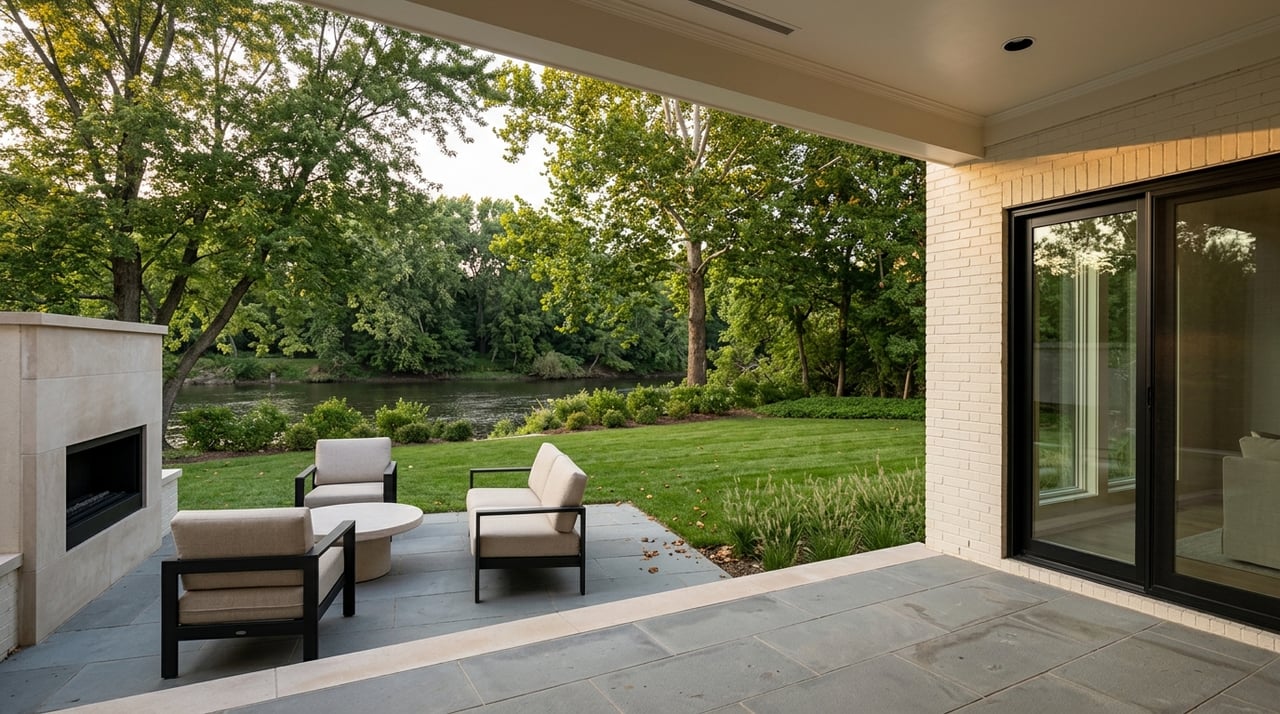
Living Along The Scioto In Dublin, Ohio
May 28, 2026
May 28, 2026
If you want a Dublin lifestyle that feels active, connected, and easy to enjoy year-round, the Scioto River is a big part of the story. For many buyers, the question is not just about a home address. It is about how everyday life feels once you step outside your front door. This guide walks you through what living along the Scioto in Dublin can look like, from riverfront parks and walkable districts to events, paths, and local mobility. Let’s dive in.
The Scioto River is Dublin’s most prominent natural feature, flowing north to south through the eastern third of the city. That matters because the river is not tucked away or disconnected from daily life. It helps shape where you spend time outdoors, how you move through downtown, and how the east and west sides of the area connect.
You can see that clearly in Riverside Crossing Park and the Dublin Link. Riverside Crossing Park includes scenic river views, an overlook, and a shared-use path along the water. The Dublin Link spans the river and connects the two sides of downtown, making the riverfront feel like a central part of the city instead of a divider.
Living near the Scioto is about more than pretty views. Dublin has over 1,136 acres of developed parkland, 178 acres of undeveloped parkland, 64 developed parks, and more than 154 miles of bikepath. That scale helps explain why outdoor access feels built into daily life here.
If you enjoy getting outside, the river corridor offers options in every season. Fishing is allowed in the Scioto River with a valid license. In colder weather, Scioto Park has a sledding hill when conditions allow, and Riverside Crossing Park features a seasonal ice rink in the lower plaza east of the Dublin Link.
For many buyers, that mix is a real lifestyle advantage. You can go for a walk by the river, hop on a shared-use path, or spend time in nearby parks without planning your whole day around it. The setting supports both quick outings and longer weekends close to home.
On one side of the river, Bridge Park brings a newer and more urban feel to downtown Dublin. The district describes itself as a walkable, mixed-use community spanning 30 acres along the Scioto River. It combines residential space with restaurants, shops, offices, entertainment venues, hotels, and green spaces.
That mix is part of what makes the area feel lively on a day-to-day basis. Bridge Park reports 874 apartments and condos, 217,000 square feet of restaurant and retail space, 600,000 square feet of office space, and 3,403 parking spots. In practical terms, that gives you a place where dining, errands, events, and social time can happen in one area.
The district also maintains a strong year-round event calendar. According to Bridge Park and Visit Dublin, the area hosts street festivals, music, fitness programming, The Dublin Market, and other seasonal activities. If you want a neighborhood setting with built-in activity, this is a major part of the appeal.
Across the river, Historic Dublin offers a different pace and setting. Visit Dublin describes it as a district along the banks of the Scioto River with cobblestone streets, locally owned boutiques, coffee shops, and restaurants. The area also includes buildings listed on the National Register of Historic Places and offers a self-guided walking tour.
This contrast is one of downtown Dublin’s strengths. Bridge Park feels newer and more mixed-use, while Historic Dublin brings a smaller-scale, historic district feel. Together, they give the riverfront area more variety than you might expect in one compact part of the city.
If you are exploring Dublin as a buyer, that variety can help you picture your routine more clearly. You may prefer a modern condo near restaurants, or you may be drawn to a nearby single-family home with easy access to both districts. Either way, the river ties those experiences together.
One of the most practical questions buyers ask is whether it is actually easy to enjoy both Bridge Park and Historic Dublin. The answer is yes. The Dublin Link is a 760-foot pedestrian bridge over the Scioto River and serves as the main connection between the two districts.
That simple connection changes how downtown functions. Instead of choosing one side or the other, you can move between riverfront parks, dining, events, and shops on foot. It gives the whole area a more seamless feel and makes the Scioto part of the experience rather than a barrier.
Downtown Dublin offers a walkable core, but the broader commute picture is still car-friendly. Dublin’s transportation plan notes that U.S. 33 and I-270 provide access into and through the city, though they also carry high traffic volumes. Bridge Park’s location near North High Street and Riverside Drive supports its role as a central destination.
For many buyers, that balance is attractive. You can enjoy a walkable riverfront environment once you are downtown, while still having familiar road access for work, errands, and regional travel. That tends to fit well with how many households in suburban Central Ohio move through daily life.
Parking is another practical point. Bridge Park says the district offers free on-street parking, multiple free garages, and more than 3,400 parking spots. If you are meeting friends, attending an event, or spending a few hours by the river, that convenience matters.
Even though driving remains important, Dublin is also investing in more ways to get around. The city’s LinkUS page lists shared-use path improvements on Riverside Drive and other corridors, along with a planned bus rapid transit connection from Downtown Columbus to Bridge Park and Ohio University Dublin. Dublin also notes a COTA//Plus on-demand shuttle for Dublin residents.
The city highlights its extensive shared-use path network and Silver-level Bicycle Friendly Community status. That supports the broader lifestyle story along the Scioto. You are not limited to one way of moving through the area, especially if you enjoy biking, walking, or mixing short trips with local transit options.
Dublin also offers the Dublin Connector, a free transportation service for Dublin residents over age 55, residents with disabilities, and anyone who works in Dublin. Pickup and drop-off are available at any Dublin address. It is another sign that the city is thinking beyond simple point-to-point driving.
Downtown Dublin also includes a Designated Outdoor Refreshment Area, or DORA. According to the city, the district covers both Historic Dublin and Bridge Park, and adults 21 and older can purchase a drink from a participating business and carry it within the district boundaries from 11 a.m. to 10 p.m. daily.
That setup adds to the area’s social feel, especially during events and patio season. It supports outdoor dining and entertainment while making it easier to enjoy both sides of the river in one outing. For buyers looking for a more active suburban lifestyle, this can be a meaningful part of the appeal.
At a high level, living along the Scioto in Dublin blends riverfront scenery, walkable destinations, and suburban convenience. You have access to parks, paths, district events, dining, and a strong downtown connection across the river. The result is a setting that feels active without feeling disconnected from the rest of the city.
This is one reason the riverfront continues to stand out for buyers comparing Dublin neighborhoods and lifestyle options. You are not only choosing a home. You are choosing whether you want easier access to outdoor space, downtown activity, and a connected local rhythm that changes with the seasons.
If you are thinking about buying or selling in Dublin, understanding these lifestyle details can make a big difference. The right move often comes down to how well a home matches the way you want to live every day. When you want local guidance on Dublin neighborhoods, riverfront living, and how to position your next move, connect with Angel Perez.
Stay up to date on the latest real estate trends.



Etiam non quam lacus suspendisse faucibus interdum. Orci ac auctor augue mauris augue neque. Bibendum at varius vel pharetra. Viverra orci sagittis eu volutpat.
Get in Touch With Us to Learn More

8800 Lyra Drive Suite 600 Columbus, Ohio 43240